FOR THE NUMBERS BEFORE THE OVEN
A smaller batch.
A bigger possibility.
A recipe for twelve. A kitchen for two.
Make the math fit your next bake with simple calculators and a few useful notes.
more possibility.
NOTES FROM THE WORKTOP / 01Measure. Adjust. Make.
THREE WAYS TO BEGIN
What are you making room for?
A different batch.
A different pan. The same clear math.
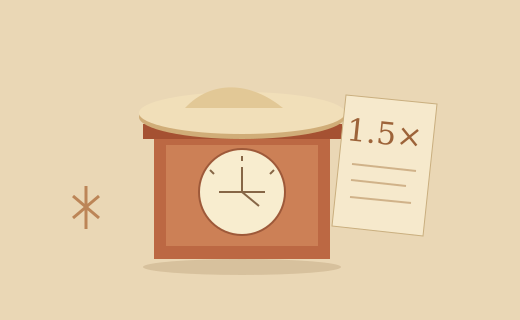
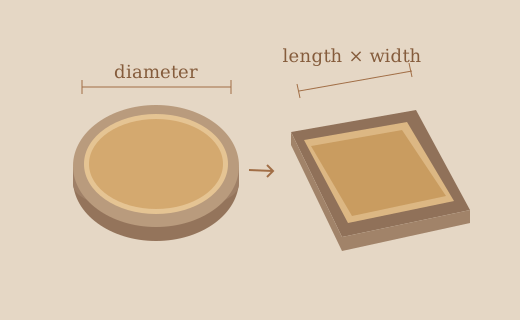
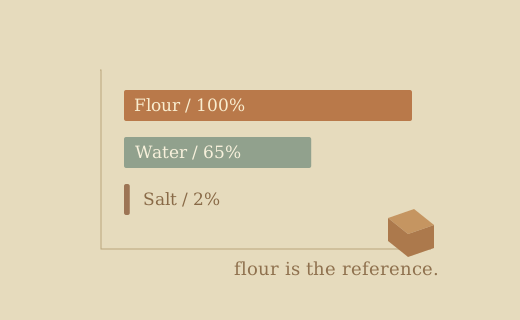
A LITTLE PRACTICE
Let’s make it your batch.
Your inputs stay in your browser. No account needed.
THE NUMBERS, MADE CLEAR
—
Enter the inputs to calculate.
| Ingredient | Original | New batch |
|---|
Displayed values round to 2 decimals. Calculations use unrounded inputs.
Mass-based quantities only. No universal cup conversion, baking-time prediction or whole-egg rounding. Examples illustrate arithmetic and are not tested recipes.
FROM THE KITCHEN NOTEBOOK
Know what’s behind the number.
BATCH NOTES
How to scale a recipe by weight
A bigger batch starts with one small number: the target yield divided by the original yield. Apply it to every ingredient, then keep the weighing decisions separate from the arithmetic.
PAN NOTES
Changing baking pans: compare the bottom area first
Two pans can look similar and still have different bottom areas. A geometric comparison is a useful starting point when the intended batter depth stays similar.
FORMULA NOTES
Baker’s percentages: why flour is always 100%
In baker’s percentages, the flour is the reference quantity. The whole ingredient list can therefore add up to more than 100% without anything being wrong.
THOUGHTFUL INPUTS. USEFUL OUTPUTS.
A good formula leaves
room for understanding.
We show the calculation, keep the assumptions visible and leave the baking decisions with you.
A note on our approach